.png?v=84312248615111272951666300793)


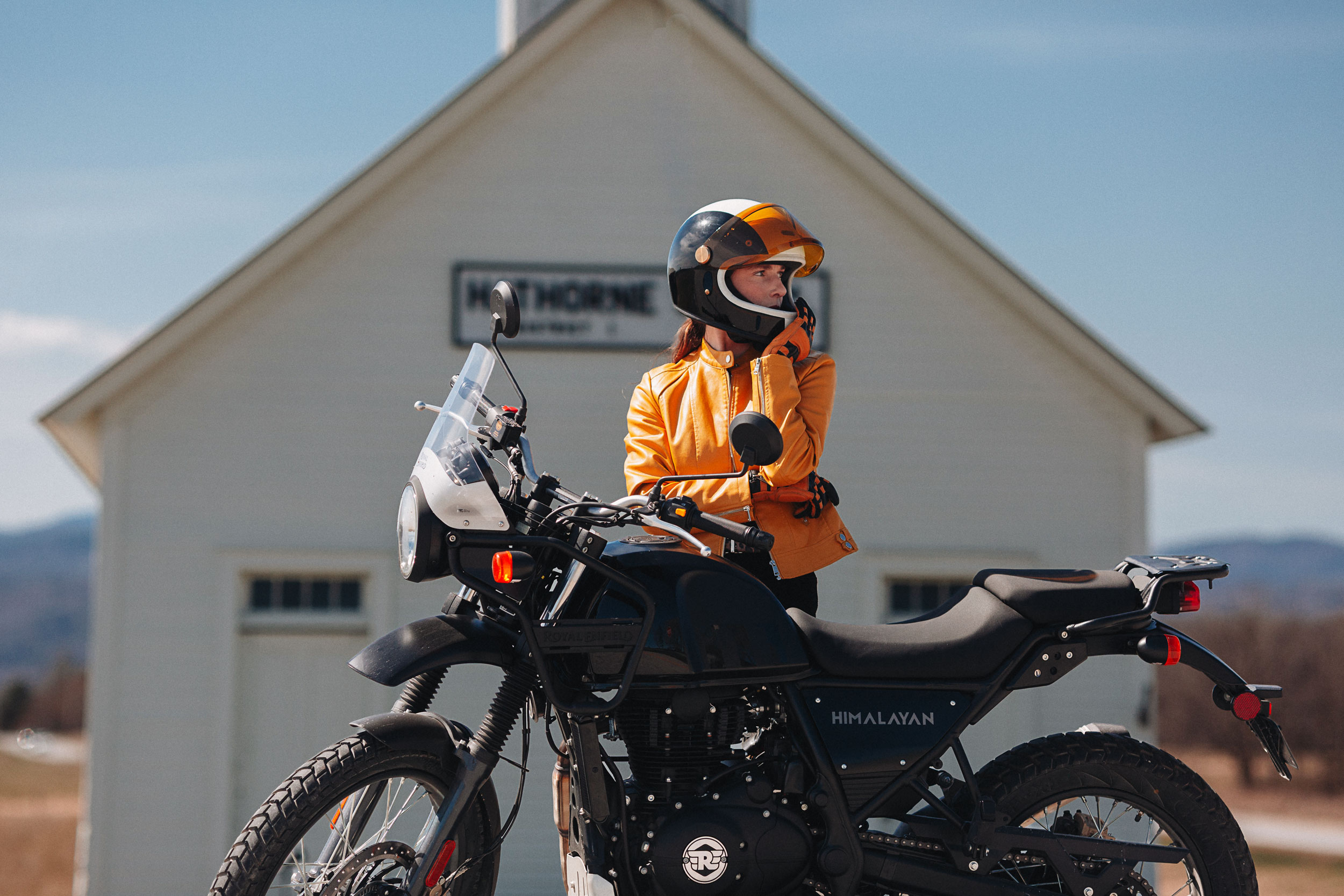
There is a version of you that exists when you get your motorcycle license, and another version that exists after your first year of riding.
The changes are almost unnoticeable at first. They happen gradually, with each ride, until one day you realize you didn't spend five minutes sitting on your bike in the driveway working up the nerve to leave. You just got on your bike and went.
I still remember my first rides. Before I even pulled out onto the road, I'd be mentally preparing myself and taking a few anxious deep breaths. Every ride felt intimidating.
I still go through the familiar ritual of gearing up (and we all have our own order of putting our gear on), but I no longer have to work up the nerve to ride. Now, I just start the bike, look both ways and leave without giving it a second thought. Some of the changes that happen during your first year are easy to recognize. Others are much harder to explain.
How your perception of Motorcycle Risk Changes
At first, the risks feel abstract. You know motorcycles are dangerous, in the same way you know skydiving or bungee jumping are dangerous. You acknowledge it without fully understanding it. After a year of riding, you’ve had enough experience that the risks become specific - moments when a careless driver doesn’t look before pulling out in front of you. Feeling the rear tire slip out on a patch of gravel going into a turn, or riding over those dreaded tar lines on a hot day - if you know you know. Getting caught in rain that numbs your senses and makes it difficult to concentrate on a slick road. Not to mention, deer and every other animal that seems determined to throw itself in your path with reckless abandon.
These experiences change how you gauge different situations and how you ride. As time goes on, you become more aware of things around you and more confident in your ability to react to them. Caution takes on a whole new meaning. It becomes less about uncertainty and more about understanding your limits, then expanding them through experience. Riders who make it through the first year with this shift intact tend to be the ones who keep riding for decades. There is no way to eliminate the risks of riding, but being prepared gives you the confidence to manage those risks.
You Start Buying Motorcycle Gear Differently
Most new riders buy gear based on style, budget, and recommendations from friends or YouTubers. There's nothing wrong with that. In fact, if you love how your gear looks, you're more likely to wear it every time you ride - and that matters. After a year, though, your priorities start to change. You realize that the cheap gloves you bought don’t actually fit you well and you should invest in better gloves. You discover that the helmet you picked because it looks cool has a visor that fogs in cold weather, and it gives you a headache after a few hours on the road. Everyday work boots and boots actually built to protect your feet in a motorcycle crash are not the same thing.
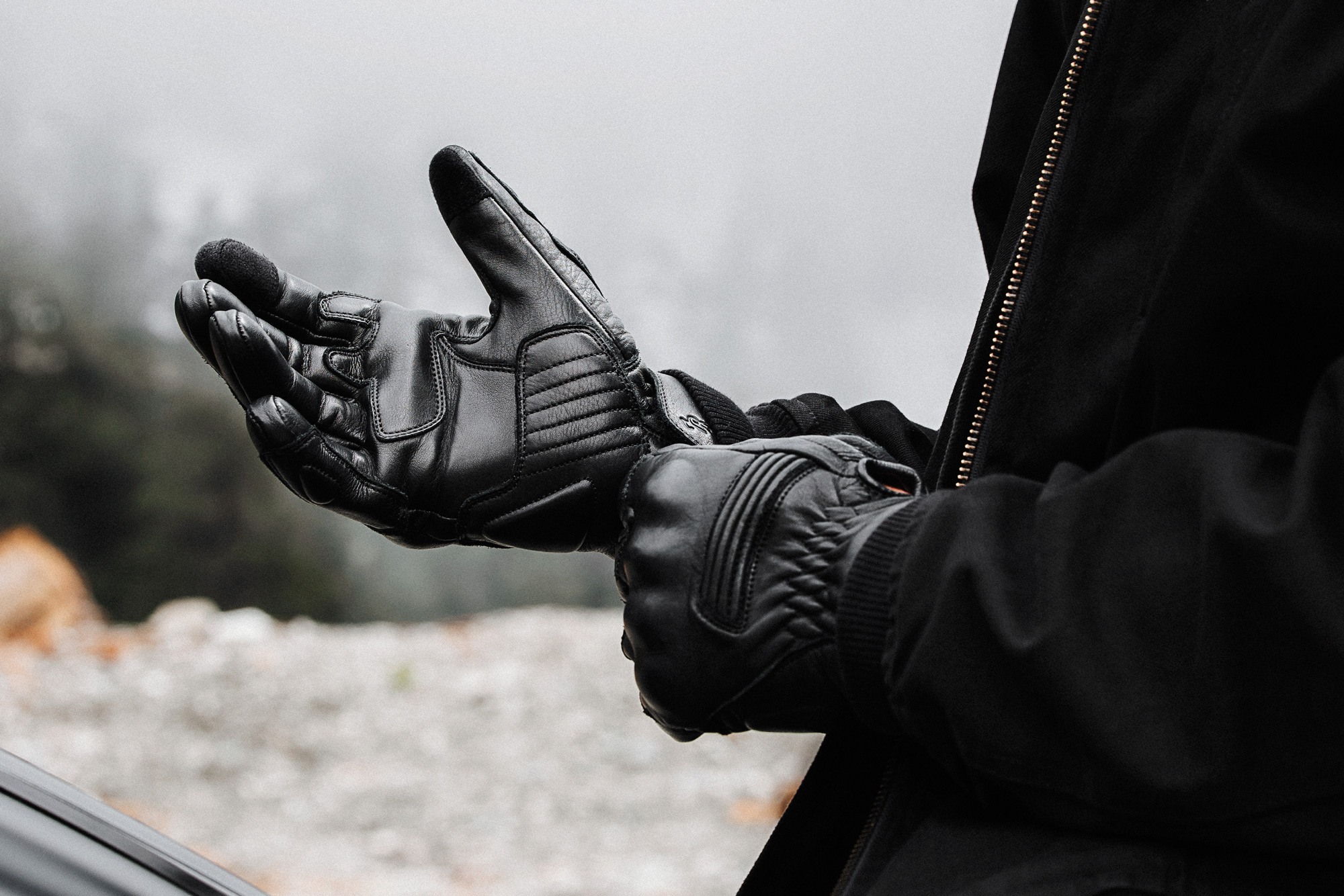
Your first year of riding teaches you what matters to you, and that's something no product review or influencer can tell you. Your next round of gear purchases becomes much more deliberate and focused on what works for YOUR style of riding. You spend more on fewer items because you've learned that quality in the right places makes every ride better, while cutting corners in the wrong places costs you in comfort, confidence, or safety.
Riding Skills Become Second Nature
During your first few months, you have to consciously think about everything you do. You think about every downshift, every turn, every braking input. By the end of your first year, many of those motions have become automatic and natural. Not mindless, but instinctive. It’s essentially like learning a new language, and fluency comes with constant real-world practice and input.
One of the biggest changes isn't physical at all—it's mental. I remember my first long ride on the road. After about an hour, I was drained. I felt like I'd run a marathon. Every decision required my full attention, and by the time I got home, I didn't think I had another mile left in me. Now, it takes six to eight hours before I reach that same level of fatigue, and by then it's just as much physical as it is mental. As you become more fluent, your brain doesn't have to work nearly as hard to process all these inputs.
Counter-steering becomes second nature. Braking gets smoother, and you start trusting your own experience instead of every piece of advice you've been given. You begin to feel what the motorcycle is telling you through the handlebars, the controls, and the way the bike responds beneath you. This only comes from consistent riding. You can watch every video on YouTube, but nothing replaces getting out and actually spending time on the bike.
Finding Your Place in the Motorcycle Community
Riding often starts as a solo pursuit, but most riders eventually discover a community around it. Maybe it is a local group ride, bike night, motorcycle rally, or online community. Sometimes it's simply the feeling of passing another rider on the road and exchanging the peace sign, a simple gesture that means "keep two wheels down." After a year, you've usually found your niche in the motorcycle community. Whether it's the Harley crowd, ADV crowd, vintage racing teams, modern classics, dirt bikers, or a local group of friends, you start realizing there isn't just one motorcycle community—there are dozens of them.
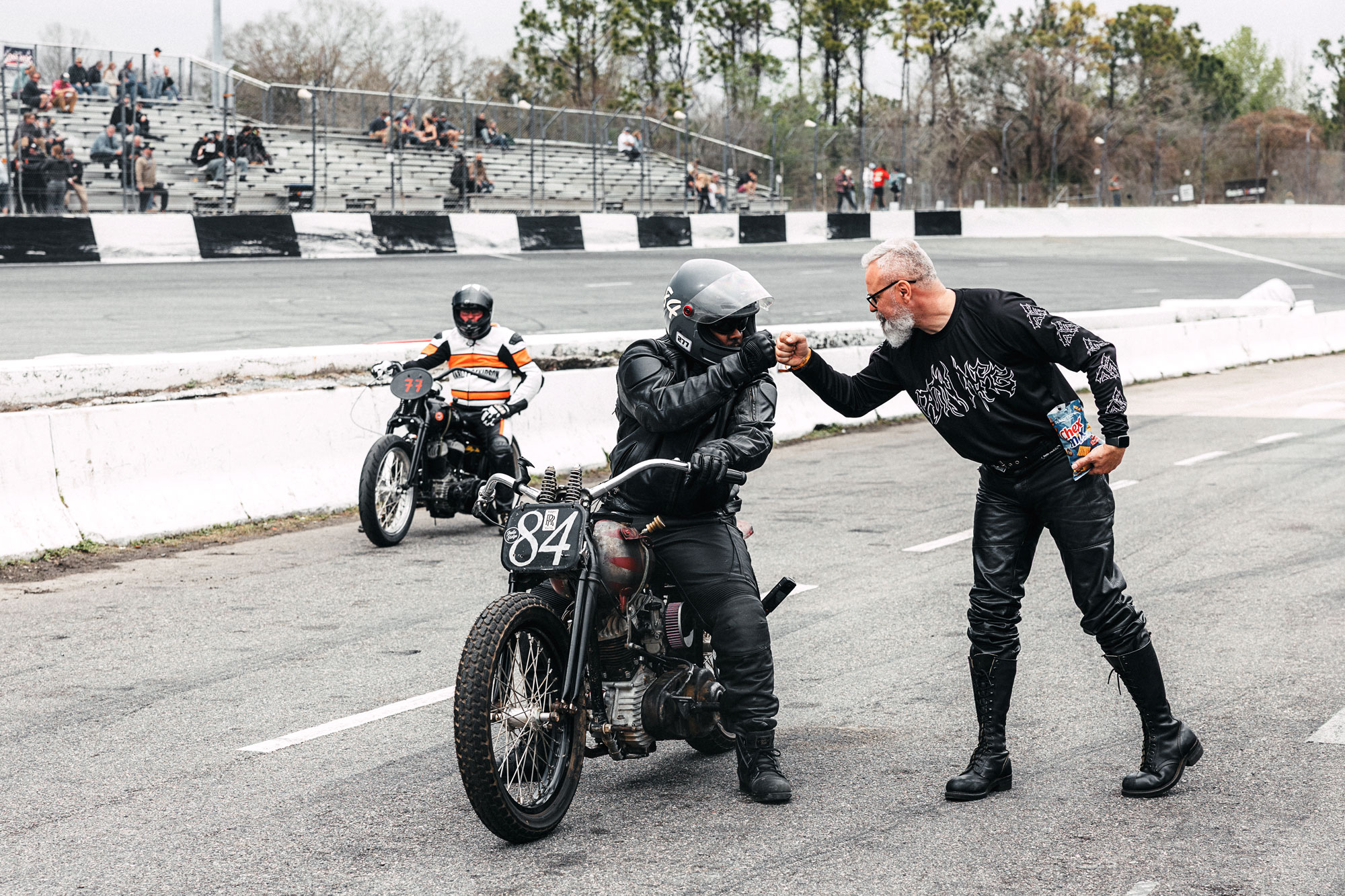
Sons of Speed racers @cant_stop_vintage_racing and @weemsmotorco.tampa exchange a fist bump moments before JB heads onto the track for his first race of the day—reflecting the camaraderie found throughout the motorcycle community.
Group rides, in particular, change the experience. Riding with others introduces new dynamics like pace management, communication, and the responsibility of looking out for other riders around you. Some riders thrive in groups. Others discover they prefer solo rides. Either way, the first year tends to open doors to people and experiences that were not visible from the outside.
Why Riders Keep Coming Back
There is a specific quality to being on a motorcycle that does not translate to any other mode of transportation. The connection to the road, the weather, the landscape. The way a 30-minute ride can reset your mental state in a way that a two-hour drive cannot. When you are driving in a car you are seeing the landscape as you go by – when you ride a motorcycle, you are feeling and tasting it. It engages every sense and demands your attention, leaving very little headspace to think about anything else.
After a year, riding feels less like a hobby and more like a practice. It becomes the thing you do to clear your head after a long day at work, to challenge yourself, and to feel present in a way that the rest of daily life rarely provides. This is what keeps riders coming back, despite it being a very high-risk activity.
What Stays the Same After Your First Year of Riding
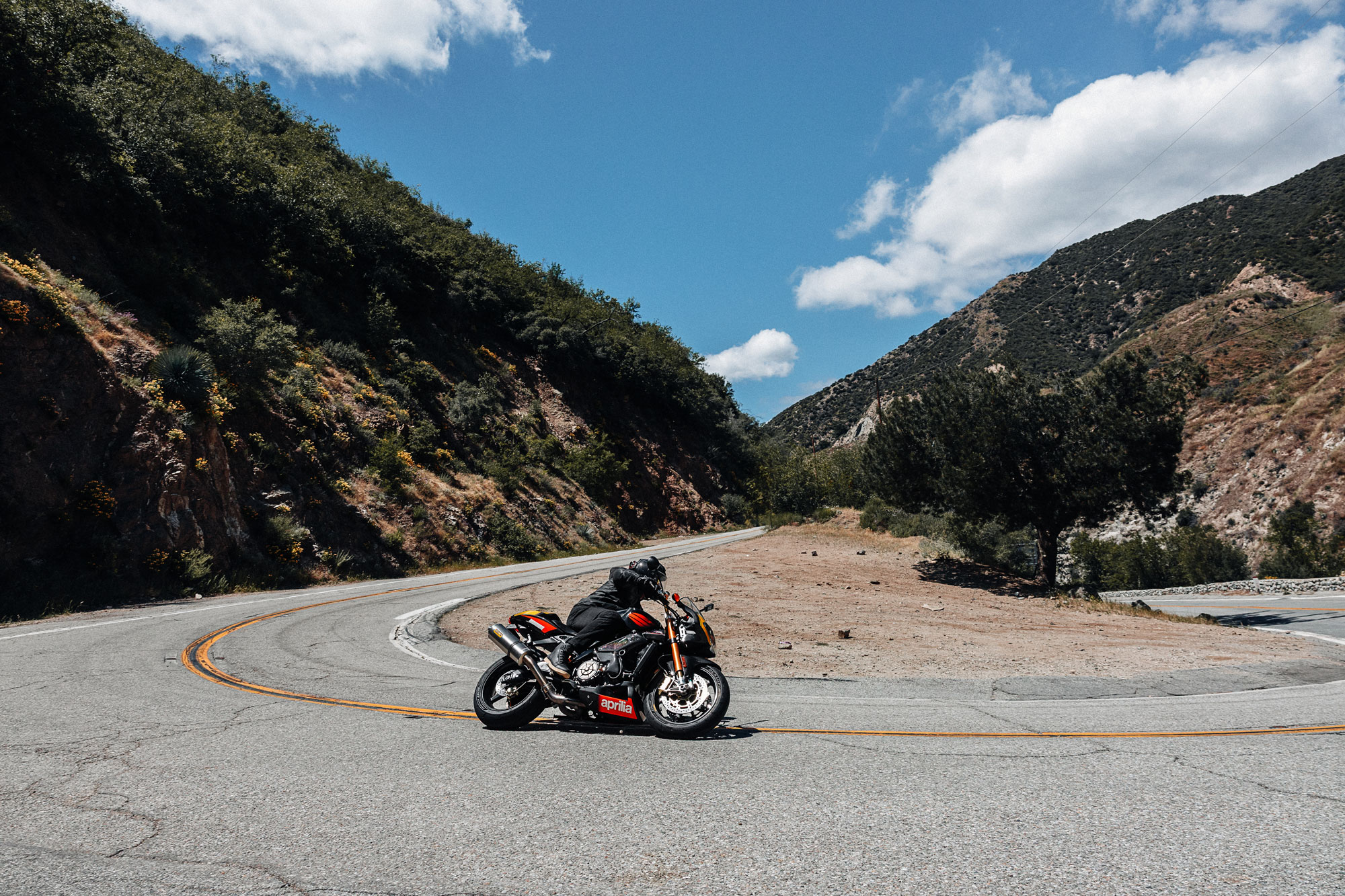
Your first motorcycle might still be in the garage, or you might already be eyeing something different. Your gear has probably been upgraded at least once. Your routes have expanded beyond the "safe" loops you started with. The anxiety that came with every ride during those first few months has been replaced by a calm focus that comes from knowing your limits and trusting your skills.
What stays the same is the part that drew you to riding in the first place– the pull, the excitement, the impulse to take the long way home and a new way of seeing the landscape around you. A year of riding doesn't diminish those feelings. If anything, it clarifies them. You stop wondering whether motorcycling is really for you and start planning how to do more of it.
What's the biggest thing that changed for you after your first year of riding?